

What to Eat During IVF: A Dietitian's Guide
If you're going through IVF, or about to start, you've probably already been told what to eat by the internet and at least one well-meaning relative. Some of that advice is sensible but a lot of it isn't.
As a registered dietitian specialising in fertility, I want to give you a clear picture of what a good diet for IVF looks like, based on what the research shows.
Does diet affect IVF success?
Yes. Research shows that your overall dietary pattern matters, this includes whether you’re including important nutrients as well as how often they feature in your diet as a whole. Studies have linked a Mediterranean-style diet with better embryo yield during IVF. Key nutrients such as omega-3 fatty acids and B12 have been linked with a better chance of conceiving with IVF.
When to start your IVF diet
Ideally, start around three months before your cycle. Eggs take roughly 90 days to mature before ovulation, and sperm take a similar length of time to develop so what you both eat in that window counts.
Even if you don’t have three months before your cycle starts, the changes you make now can still really help.
The best diet for IVF: a Mediterranean-style approach
You don't need a special IVF meal plan. The way of eating with the most evidence behind it is a Mediterranean-style diet:
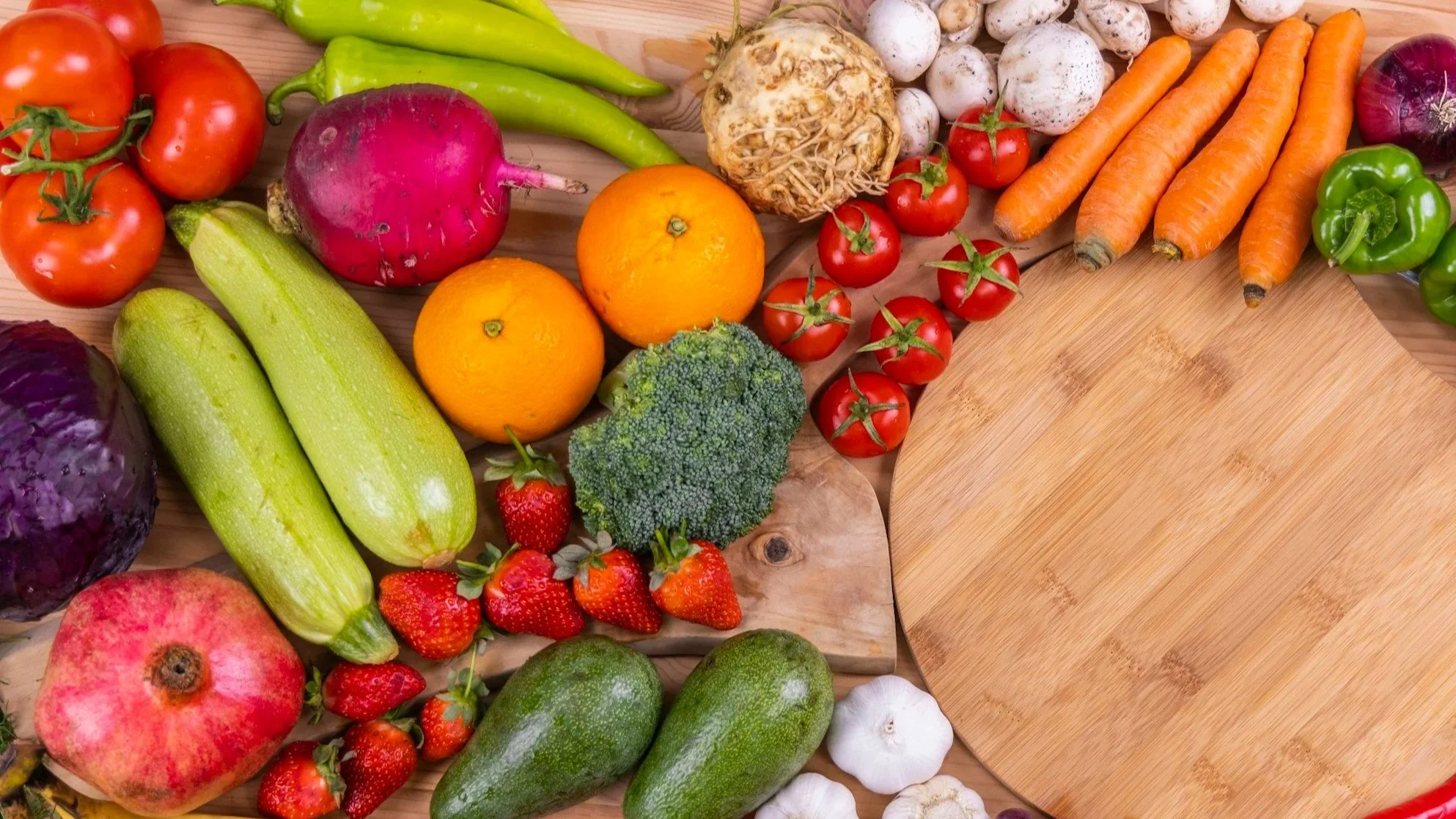
Vegetables and fruit with lots of different colours
Wholegrains such as oats, wholemeal bread and brown rice
Beans, lentils and chickpeas
Oily fish such as salmon, mackerel or sardines, twice a week
Olive oil
Nuts and seeds
Moderate amounts of dairy, eggs and poultry, with less red and processed meat
Think about what you can add to your plate. It can be as simple as a handful of nuts on your porridge or having sardines on toast for lunch.
There's no need to cut out whole food groups unless you've been advised to for a medical reason.
Key nutrients before and during IVF
A varied diet covers most of what you need but these five deserve particular attention:
Folate. Take a 400 microgram folic acid supplement every day, from before your cycle until 12 weeks of pregnancy. Eat folate-rich foods too, such as leafy greens, avocado and beans. Some people need a higher dose on prescription, so check with your GP or clinic.
Vitamin D. A daily 10 microgram supplement is recommended when trying to conceive, especially through autumn and winter.
Omega-3. Oily fish is the best source. If you don’t eat fish, it’s worth considering a supplement.
Iodine. It's found mainly in dairy and fish, so you may fall short if you follow a plant-based diet.
Iron. Good sources include red meat, fish, beans and lentils. Pair plant sources with vitamin C, and having a break between tea and coffee and iron-rich meals.
I cover these in more detail in my free guide to the key fertility nutrients. And if you're wondering which supplements are worth buying, my free fertility supplement guide includes everything you need to know, backed by research.
Should your partner change their diet too?
Yes, if their sperm is part of your treatment. A Mediterranean-style diet and omega-3 fats have both been linked with better sperm count, motility and concentration.
It's also far easier to make changes together than to cook two different dinners and a lot of the advice is the same for both men and women.
What about caffeine and alcohol?
You don't have to give up coffee but keeping to 200mg of caffeine a day or less, the same limit advised in pregnancy, is a sensible approach. That's about two mugs of instant coffee.
Alcohol is different. The UK Chief Medical Officers advise that if you're planning a pregnancy, the safest approach is not to drink at all. For a partner providing sperm, staying within the low-risk guideline of 14 units a week is recommended, because heavy drinking can affect sperm quality.
Getting personalised support
General advice only goes so far. Support that is tailored to you, your unique experience, medical history, test results and medications is the best way to optimise your nutrition for fertility.
For evidence-based nutrition support that is tailored to you and your treatment, book a free 15-minute discovery call or read more about my fertility nutrition services.
Jasel Small BSc MSc RD. Registered Dietitian, HCPC registered.
This article is for general information and is not a substitute for individual advice from your own healthcare team.