

Getting the most from iron for women’s health
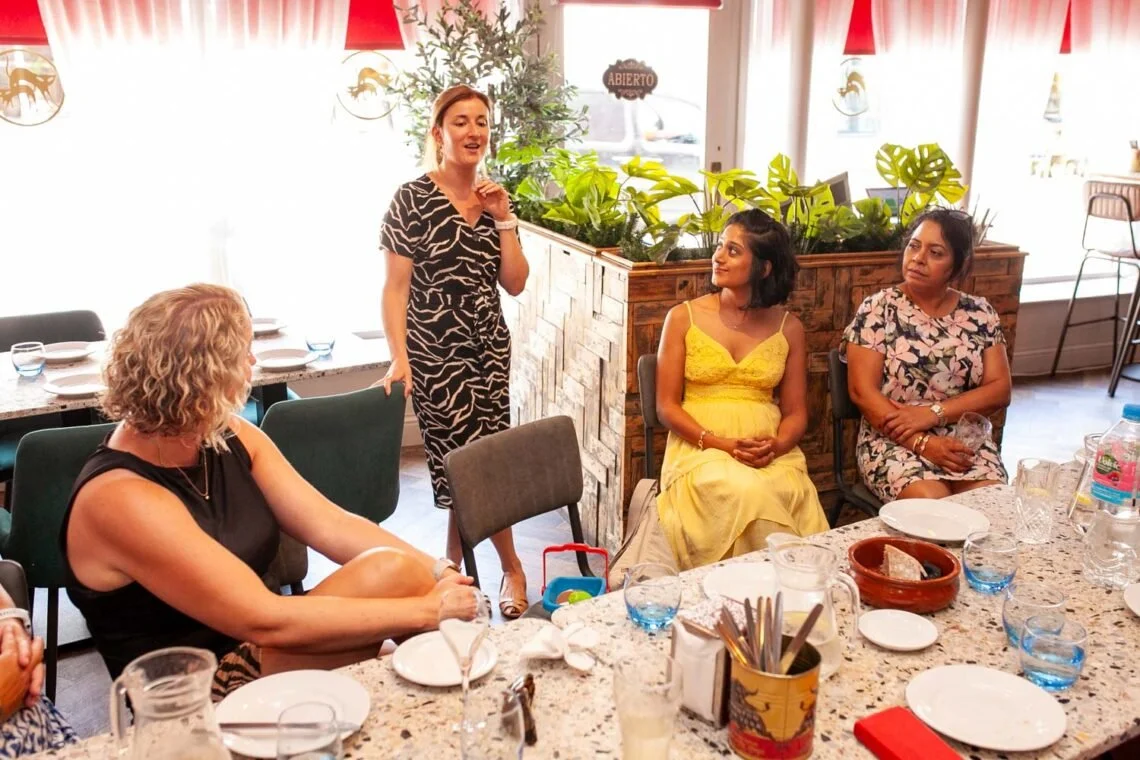
I recently had the pleasure of speaking at a women's health event in Swindon, sharing the table with local women, a gynaecologist and GPs to talk about the things women often feel they can't ask about.
We discussed a lot during the afternoon and the key take home message we focused on was that so much of eating well is about adding in rather than cutting out. Nutrition advice can feel like a long list of foods to avoid, and that's exhausting, especially when you're already juggling a lot. So I want to zoom in on one nutrient that matters enormously for women which is iron. Iron is just one of the key nutrients for fertility.
Why iron matters so much for women
Iron is the nutrient your body uses to carry oxygen around in your blood. When levels are low you can experience this as tiredness, low energy, brain fog, or feeling breathless doing things that never used to cause problems.
Women are particularly prone to low iron, largely because of monthly blood loss through menstruation. Iron needs are higher again in the run-up to and during pregnancy, as your body works to support a growing baby. So if you're thinking about your fertility, iron is a good place to focus your attention.
Where to find iron
There are two kinds of iron in food, and it helps to know the difference.
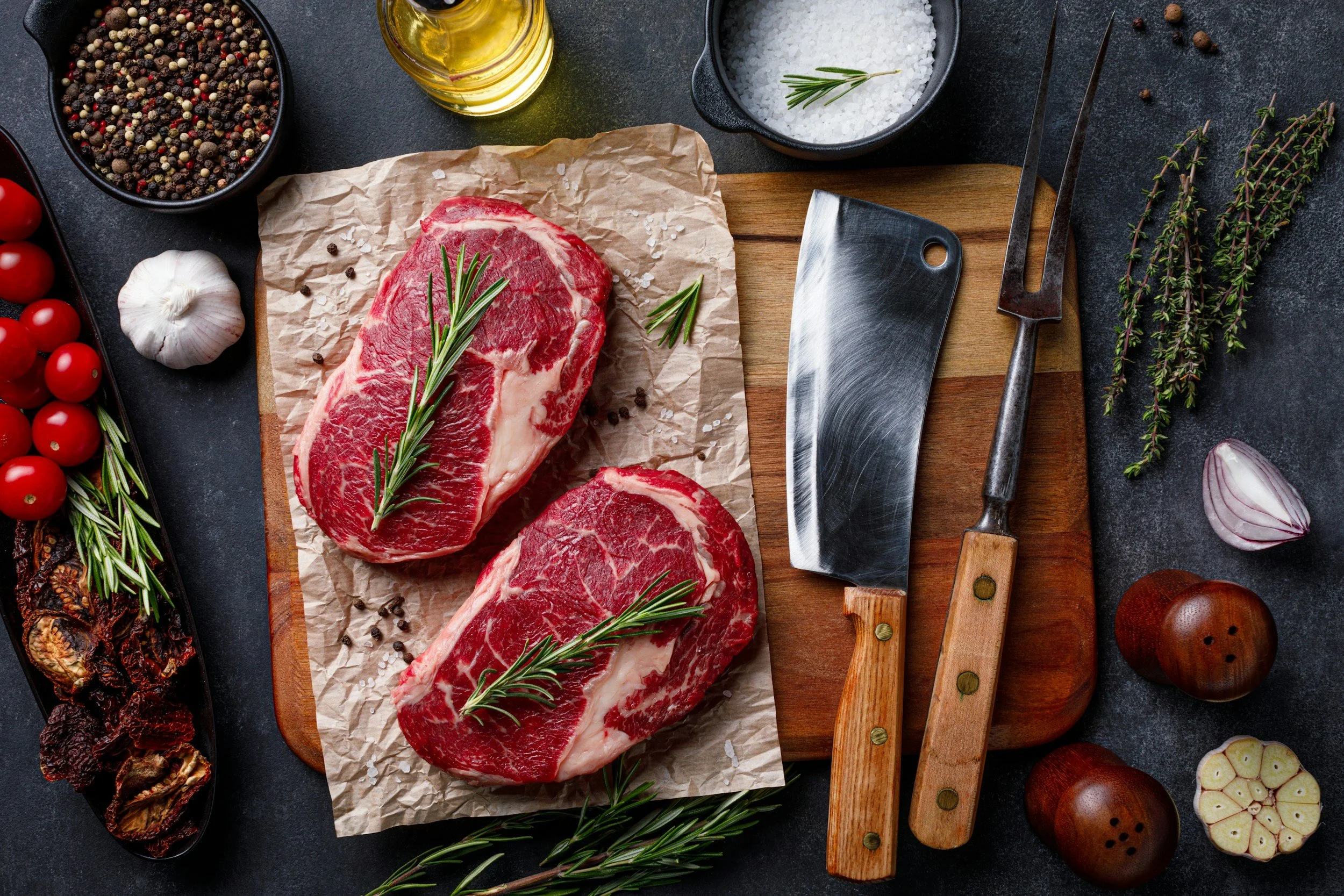
The first is “haem iron” which is found in animal foods like red meat, poultry and fish. Your body absorbs this form quite easily. The second is called “non-haem iron” which is found in plant foods such as beans, lentils, chickpeas, tofu, dark leafy greens, wholegrains, nuts, seeds, and dried fruit. This plant form is a good source of iron and is especially important if you eat little or no meat, it just needs a little help to be absorbed well.
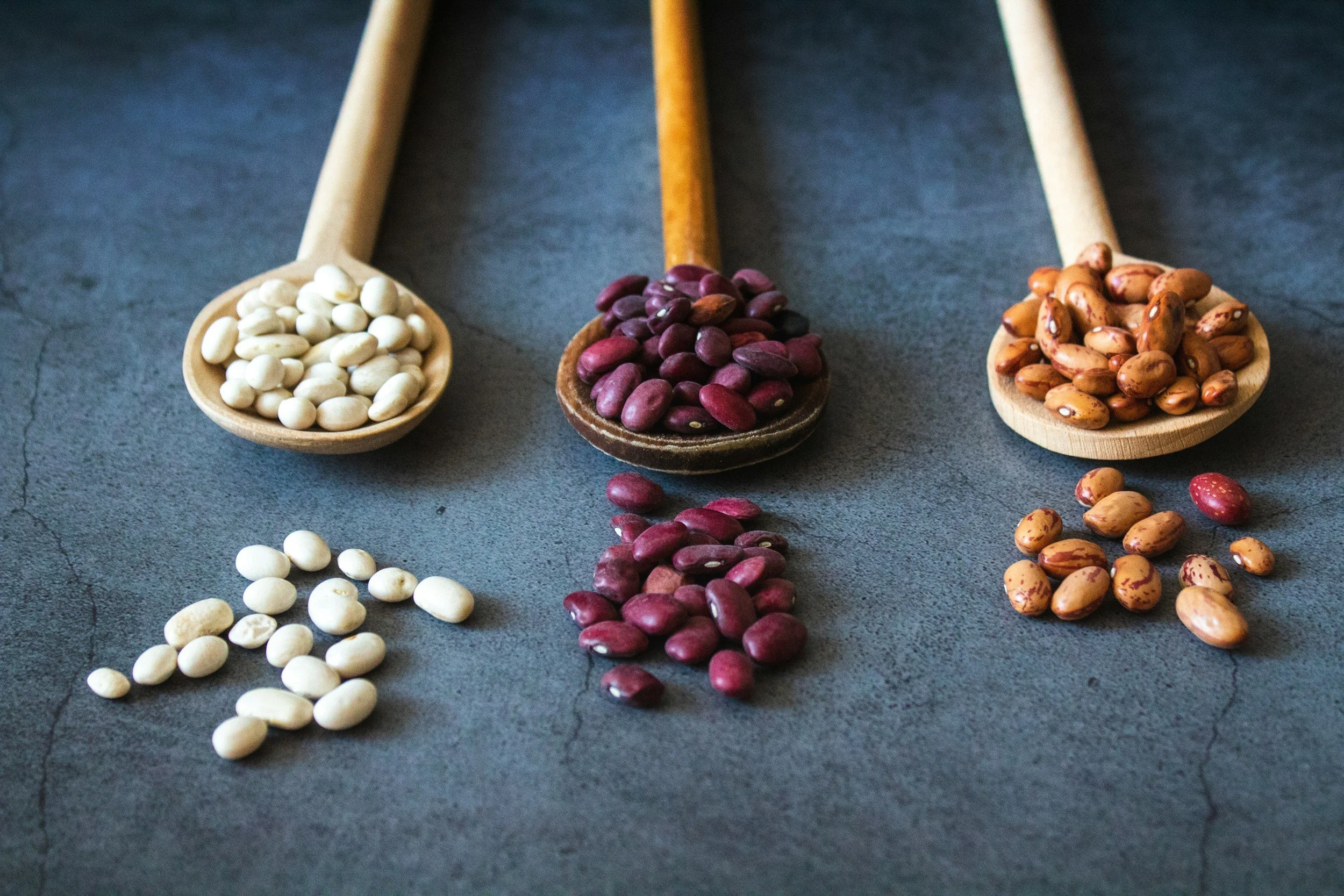
The simple habits that help you absorb more non-haem iron
It's not only what you eat, but what you eat it with that shapes how much iron your body actually takes on board. A few easy pairings can make a big difference:
Add a source of vitamin C. Vitamin C dramatically boosts how much plant-based iron you absorb. This is actually quite easy to do: squeeze a little lemon juice over your lentils, add tomatoes or peppers to a bean stew, have a glass of orange juice with a fortified breakfast cereal, or scatter some berries over your morning porridge.
Be mindful of timing with tea and coffee. The compounds in tea and coffee can make it harder for your body to absorb iron. You don't need to give them up but just space them out between meals rather than alongside your main iron-rich ones.
Space out calcium-rich foods. Calcium can compete with iron for absorption, so it's worth leaving an hour between your glass of milk, cheese or yoghurt and your iron-rich meal.
Before you reach for a supplement
It can be tempting to buy an iron supplement the moment you feel tired but I would encourage you not to start one without guidance. If you suspect your levels are low, the best first step is to ask your GP for a blood test, so that any advice can be based on what your body actually needs. Tiredness has many causes, and it's worth finding the real one.
The bigger picture
Eating well for your health and your fertility doesn't have to mean restriction, rules, or getting everything "perfect." Often it's the small additions or tweaks, like a squeeze of lemon over your evening meal that add up to the biggest difference over time.
Ready to take the next step?
If you'd like support building an approach that fits your life, I offer personalised one-to-one online consultations, along with a free 15-minute discovery call so we can see whether we're the right fit. Wherever you are, you don't have to work it all out alone.
Jasel Small is a HCPC-registered dietitian (MSc Dietetics, King's College London; BSc Nutrition, University of Surrey) with ten years of NHS experience, specialising in fertility nutrition through The Fertility & Family Dietitian.